Spotted gum, blackbutt or merbau? Choosing decking timber
Durability, colour and price compared.
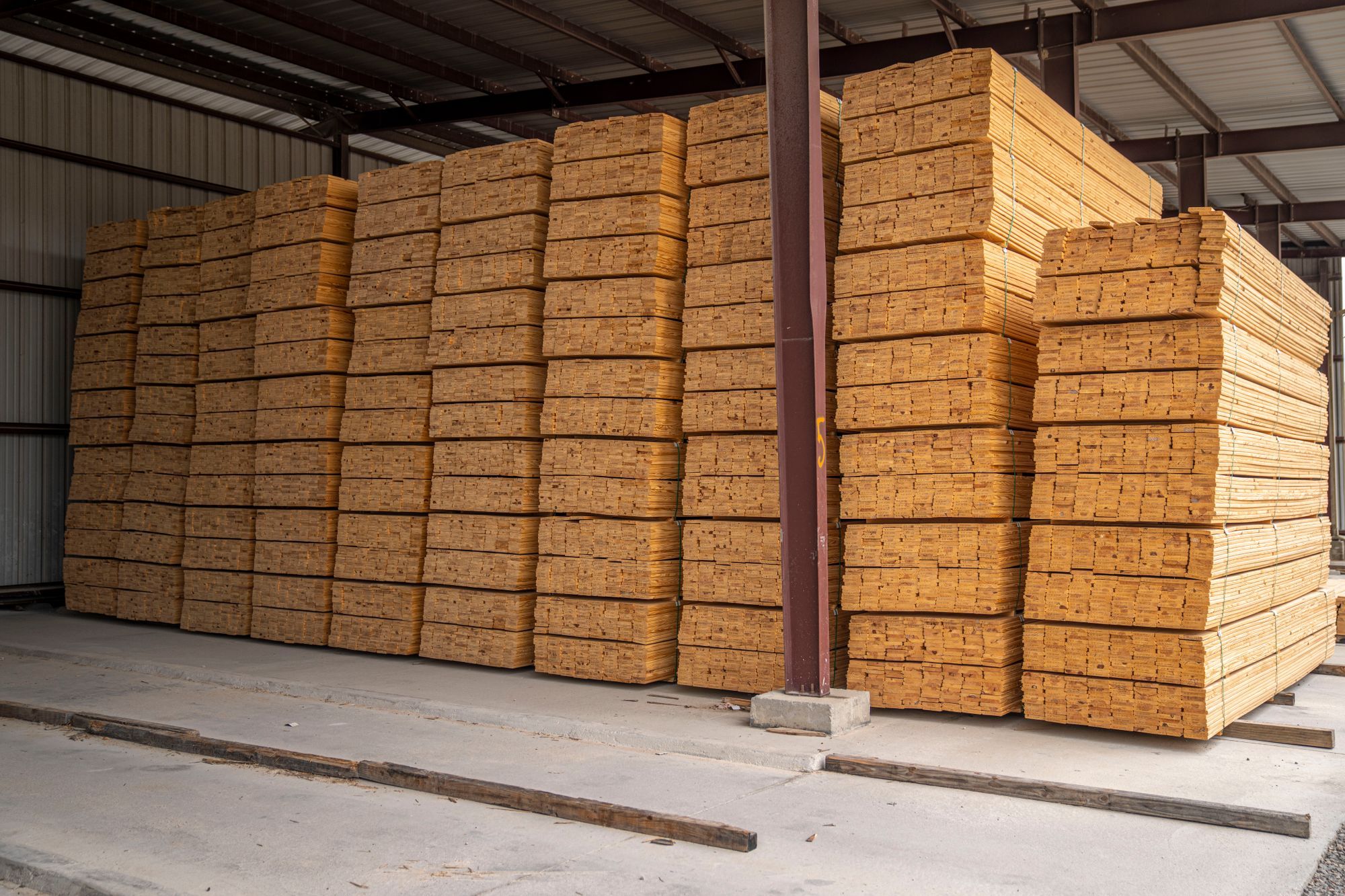
Spotted gum, blackbutt and merbau are the three decking timbers we’re asked about most. All three are hard, durable and suited to Brisbane’s weather. The differences come down to colour, how they behave, where they come from and how they’ll look in ten years.
Spotted gum
Our most popular choice. Spotted gum is an Australian hardwood with a wide colour range, from pale cream through to deep brown, often with a subtle wavy figure. It’s very hard-wearing and is also one of the species that can be used on many bushfire-prone sites.
The colour variation is part of its charm. If you want a uniform look, ask for a select grade.
Blackbutt
Blackbutt is lighter and more even in colour, ranging from pale straw to light brown. It suits coastal and contemporary designs and weathers to a soft silver-grey if left unoiled. Like spotted gum, it’s an Australian hardwood and suitable for many bushfire-prone sites.
Merbau
Merbau is an imported hardwood, usually from South-East Asia, with a rich reddish-brown colour. It’s stable and durable, but it’s known for heavy tannin bleed in its early life. Rain can wash brown stains onto concrete, paving and render below the deck, so plan for that.
Sustainability is a real consideration with merbau. If you choose it, ask for certified timber from a responsibly managed source.
At a glance
| Spotted gum | Blackbutt | Merbau | |
|---|---|---|---|
| Origin | Australian | Australian | Imported |
| Colour | Cream to dark brown, varied | Pale straw to light brown | Reddish brown |
| Tannin bleed | Some | Some | Heavy at first |
| Bushfire-prone sites | Often suitable | Often suitable | Check with your certifier |
What about price?
Timber prices move with supply, grade and board width, so we don’t publish a fixed comparison. At your site visit we’ll quote current rates for each option, so you can compare properly.
The parts that matter as much as the boards
- Ventilation. Decks close to the ground need airflow underneath, or boards can cup and the frame can rot.
- Fixings. Use stainless or hot-dip galvanised fixings, especially near the coast.
- Gaps. Boards need room to expand in summer humidity.
- Coating. Oil the deck before or soon after installation, then recoat regularly. North and west-facing decks need it most often.
Grades and board sizes
Within each species you’ll usually choose a grade. Select grades have fewer natural features such as gum veins and knots, and cost more. Standard or feature grades show more character for less money. Board width matters too. Wider boards look generous but move more with humidity, while narrower boards like 86mm are more stable and a little more forgiving in our climate.
Ask to see a few full-length boards of the grade you’re quoted, not just a sanded offcut, so there are no surprises when the delivery arrives.
Our take
For most Brisbane homes we recommend spotted gum: it’s local, tough and looks good with or without regular oiling. Choose blackbutt for a lighter, calmer look. Choose merbau only if you love the colour and can source it responsibly.
We bring offcuts of all three to every deck site visit. Seeing them in your own light, next to your house, makes the decision much easier.